Several types of wood are exceptionally suitable for use in a wood-burning stove, particularly the following five:
Not every type of wood is suitable for burning. Choosing the right wood is essential for proper combustion with minimal emissions. In studies by Milieu Centraal (the Netherlands’ national centre for environmental information), unsplit Douglas fir wood was used. Trimline Fires strongly advises against this, as it produces poor results.
So, which wood should you use? Read on to find out.
Several types of wood are exceptionally suitable for use in a wood-burning stove, particularly the following five:
Oak: Oak burns for a long time and gives off a great amount of heat. However, oak wood must be properly dried, otherwise it produces excessive smoke.
Beech: Beech wood also produces a lot of heat and burns beautifully evenly. It dries relatively quickly, which is an advantage.
Ash: Ash burns very well, even when it is not completely dry. It also has a high calorific value, is easy to split, and produces few sparks when burning.
Maple: Maple wood is another good choice for burning. It is easy to light, dries quickly, and provides a clean burn. However, it burns up a little faster than other hardwoods.
Birch: Birch wood is excellent for lighting a fire. The bark is extremely flammable and makes a great natural fire starter.
Many deciduous trees produce wood that burns well in a stove, but willow and poplar are exceptions. These types of wood burn very quickly, produce little heat, and generate a lot of smoke.
Pine wood, such as that from pine or spruce trees, is also unsuitable. There are two main reasons for this. Firstly, these softwoods often contain resin, which can lead to soot build-up when burning. Secondly, pine wood produces far less heat than the hardwoods mentioned earlier. That said, pine can be useful for kindling.
Painted, varnished, or impregnated wood is also unsuitable for burning, as toxic gases are released when it is burned. Want to know more about this? Read our article here!

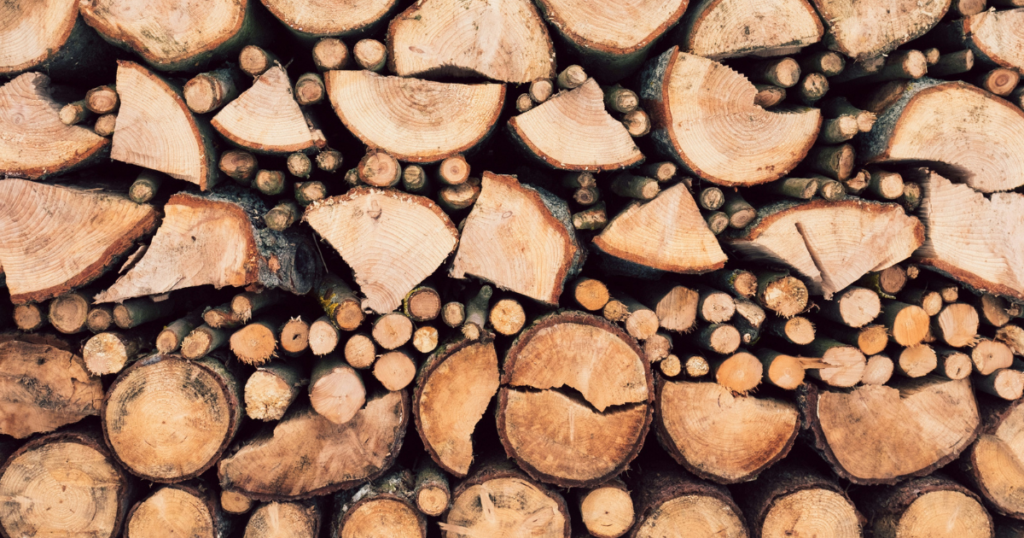
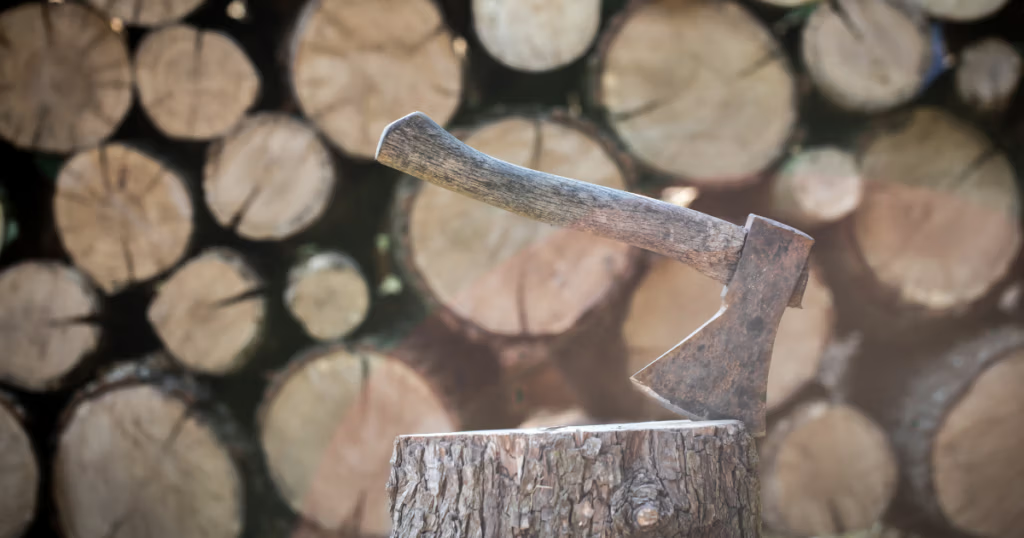
Splitting wood is also very important when using a wood-burning stove. Split logs dry and burn much more easily and are also easier to store.
Milieu Centraal recently carried out “The Wood Burning Experiment”, supported by the research agency RPS Analyse. However, several questionable choices were made during this study. Firstly, Milieu Centraal stated that they used Douglas fir wood, which is strongly discouraged by Thermocet as it is a softwood.
Softwood is not recommended for wood burning, as it burns too quickly and is consumed fast. Softwood can be used for kindling, but not for maintaining the fire. Another drawback is the large amount of resin in the bark, which causes dirty combustion and a lot of smoke.
In addition, wood was added to the stove every ten minutes. Refilling the stove so frequently is unnecessary and results in significantly higher levels of fine particulate matter in the room. The recommended interval for refilling the stove is 45–60 minutes.
As described earlier in this blog, it is very important to burn the right types of wood. The unsplit Douglas fir used in the Milieu Centraal study is, in our opinion at Trimline Fires, unsuitable. Using the wrong wood leads to much poorer results and does not provide an accurate reflection of real-world conditions.
Have a question or need advice? We're happy to help you!
Feel free to contact us, we’re here for you.