Skip to content

Webshop

  • English
    • Dutch
    • German
    • Italian
  • English
    • Dutch
    • German
    • Italian
  • Assortment
    • New & Featured
      • Holetherm
      • Trimline Fires
      • DHK
    • Trimline Fires – Fireplaces & Stoves
      • Trimline Fires – Gas Fireplaces
      • Trimline Fires – Electric Fireplaces
      • Trimline Fires – Pellet Stoves
      • Trimline Fires – Wood Stoves
      • Trimline Fires – Outdoor Fireplaces and Stoves
      • Trimline Fires – Spare Parts
    • Holetherm – Flue Systems
      • Holetherm – Single-Wall (EW)
      • Holetherm – Single-Wall for Gas (EWG)
      • Holetherm – Double-Wall Insulated (DW)
      • Holetherm – Evolution (EVO)
      • Holetherm – Concentric (CC)
      • Holetherm – Flexible (FLEX)
    • DHK Products – Fireplace Accessories & Solutions
      • DHK – Stoves and Fireplace Accessories
      • DHK – Flue Systems and Accessories
      • DHK – Tools, Repair, and Cleaning
      • DHK – Insulation
      • DHK – Outdoor Products
      • DHK – Chimney Sweeping
    • Sale
      • Trimline Fires – Sale
      • DHK – Sale
  • Our Brands
  • For Professionals
    • Installers/Contractors
    • Fireplace Specialists
    • Webshops
    • Distributors
    • Technical Wholesalers
    • Chimney Sweeps
  • Business Ordering
  • Careers
  • News
  • About us
  • Contact
  • Assortment
    • New & Featured
      • Holetherm
      • Trimline Fires
      • DHK
    • Trimline Fires – Fireplaces & Stoves
      • Trimline Fires – Gas Fireplaces
      • Trimline Fires – Electric Fireplaces
      • Trimline Fires – Pellet Stoves
      • Trimline Fires – Wood Stoves
      • Trimline Fires – Outdoor Fireplaces and Stoves
      • Trimline Fires – Spare Parts
    • Holetherm – Flue Systems
      • Holetherm – Single-Wall (EW)
      • Holetherm – Single-Wall for Gas (EWG)
      • Holetherm – Double-Wall Insulated (DW)
      • Holetherm – Evolution (EVO)
      • Holetherm – Concentric (CC)
      • Holetherm – Flexible (FLEX)
    • DHK Products – Fireplace Accessories & Solutions
      • DHK – Stoves and Fireplace Accessories
      • DHK – Flue Systems and Accessories
      • DHK – Tools, Repair, and Cleaning
      • DHK – Insulation
      • DHK – Outdoor Products
      • DHK – Chimney Sweeping
    • Sale
      • Trimline Fires – Sale
      • DHK – Sale
  • Our Brands
  • For Professionals
    • Installers/Contractors
    • Fireplace Specialists
    • Webshops
    • Distributors
    • Technical Wholesalers
    • Chimney Sweeps
  • Business Ordering
  • Careers
  • News
  • About us
  • Contact
  • Assortment
    • New & Featured
      • Holetherm
      • Trimline Fires
      • DHK
    • Trimline Fires – Fireplaces & Stoves
      • Trimline Fires – Gas Fireplaces
      • Trimline Fires – Electric Fireplaces
      • Trimline Fires – Pellet Stoves
      • Trimline Fires – Wood Stoves
      • Trimline Fires – Outdoor Fireplaces and Stoves
      • Trimline Fires – Spare Parts
    • Holetherm – Flue Systems
      • Holetherm – Single-Wall (EW)
      • Holetherm – Single-Wall for Gas (EWG)
      • Holetherm – Double-Wall Insulated (DW)
      • Holetherm – Evolution (EVO)
      • Holetherm – Concentric (CC)
      • Holetherm – Flexible (FLEX)
    • DHK Products – Fireplace Accessories & Solutions
      • DHK – Stoves and Fireplace Accessories
      • DHK – Flue Systems and Accessories
      • DHK – Tools, Repair, and Cleaning
      • DHK – Insulation
      • DHK – Outdoor Products
      • DHK – Chimney Sweeping
    • Sale
      • Trimline Fires – Sale
      • DHK – Sale
  • Our Brands
  • For Professionals
    • Installers/Contractors
    • Fireplace Specialists
    • Webshops
    • Distributors
    • Technical Wholesalers
    • Chimney Sweeps
  • Business Ordering
  • Careers
  • News
  • About us
  • Contact
Request Account
Webshop

The right wood for the stove: Do’s and Don’ts

The right wood for your stove: Do’s and Don’ts

Not every type of wood is suitable for burning. Choosing the right type of wood is even essential for good combustion with minimal emissions. In studies by Milieu Centraal (the Netherlands’ national centre for environmental information), unsplit Douglas wood was chosen. Trimline Fires strongly advises against this, as it gives poor results. Which wood should you use? Read the blog now!

Suitable Types of Wood

There are a number of types of wood that are exceptionally suitable for use in the wood stove, particularly the following five types of wood:

Oak: Oak has a long burning time and gives off a lot of heat. Oak wood must be properly dried, otherwise, it produces a lot of smoke.

Beech: Beech wood also gives off a lot of heat and burns beautifully and evenly. The drying time is relatively short, which is an advantage.

Ash: Ash wood also burns very well, even if it is not completely dry. Ash also has a high calorific value, is easy to split, and sparks little during combustion.

Maple: Maple wood is also a good choice for burning. It is easy to light, dries quickly, and provides clean combustion. However, maple wood burns up somewhat faster.

Birch: Birch wood is exceptionally suitable for starting a wood fire. The bark is extremely flammable and is a good means to start the fire.

Wood that is not suitable for burning

Many deciduous trees produce wood that burns well in a stove; however, this is not the case with willow and poplar. These types of wood burn up extremely quickly, give little heat, and produce a lot of smoke.

Pine wood, such as that from the pine or spruce, is also unsuitable. There are two reasons for this. Firstly, these types of wood often contain resin, which can cause sooting during combustion. Secondly, pine wood does not produce nearly as much heat as the wood types mentioned earlier. For starting a fire, pine wood is not necessarily bad.

Additionally, painted, varnished, and impregnated wood is not suitable for burning. Toxic gases are released when burning this type of wood. Want to know more about this? Read the article here!

Splitting wood

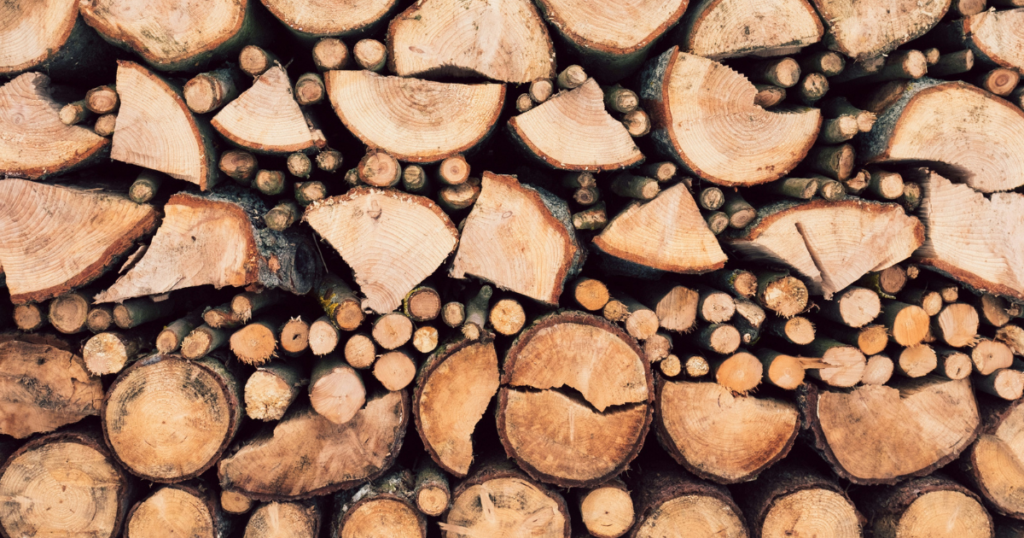
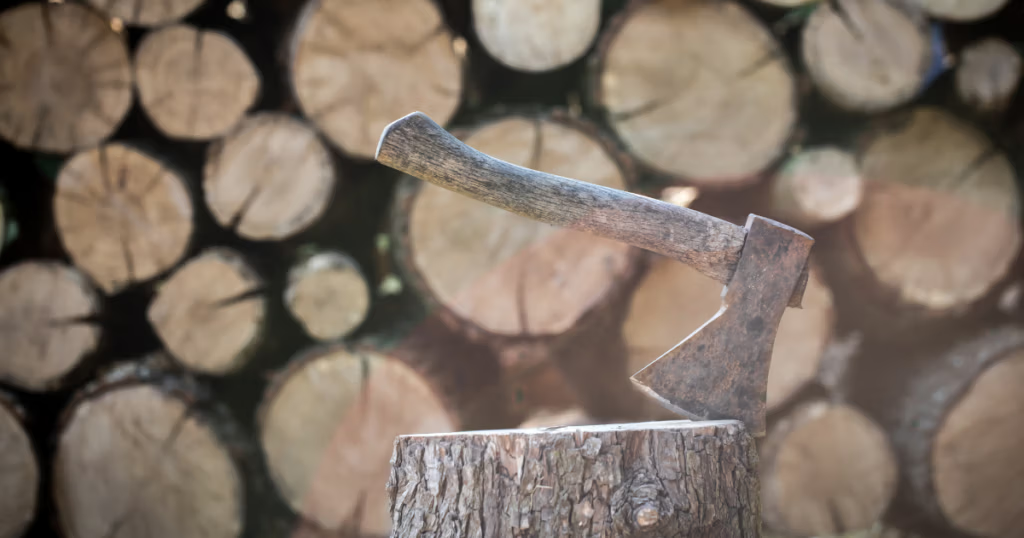
Splitting wood is also very important when operating the wood stove. Split logs dry and burn much easier. Split logs are also easier to store in a shed.

Tests by Milieucentraal

Milieucentraal (The Dutch Environmental Centre) recently carried out “The wood burning experiment.” They were supported in this study by the research agency RPS Analysis. However, a number of questionable choices were made during this study. Firstly, Milieucentraal indicates that they used Douglas wood, which is strongly discouraged by Thermocet as it is softwood.

Softwood is not recommended for wood burning, as the wood burns out quickly and is therefore quickly consumed. Softwood can be used to start the fire, but not to keep it burning. Another disadvantage is the (large) amount of resin in the bark, which causes dirty combustion with a lot of smoke.

In addition, wood was added to the stove every 10 minutes. Refilling the stove so frequently is heavily unnecessary and causes many times more particulate matter in the room. The recommended frequency for refilling the stove is 45-60 minutes.

You burn better with the right wood

As described earlier in the blog, it is of great importance to burn the correct types of wood. The unsplit Douglas wood used is, in our opinion at Trimline Fires, not suitable. By using the wrong wood, the tests turn out much worse and are not a good reflection of reality.

Table of Contents

Have a question or need advice? We're happy to help you!

Feel free to contact us, we’re here for you.

Get in touch

Webshop

Request a purchase account

Innovative Heating Solutions Group
Laagerfseweg 29
3931 PC Woudenberg

T: +31 (0)33 286 1075
E: sales@ihs-group.com

Linkedin

IHS Group

Trimline Fires
Holetherm
DHK Products
Lewo B.V.
Thermocet B.V.
Home Fire


IHS for Professionals

Installers/Contractors
Fireplace Specialists
Webshops
Distributors
Technical Wholesalers
Chimney Sweeps

Sign up for the IHS newsletter

Sign up for our newsletter and stay up to date with developments.

Website & Marketing by Sparklet | Sitemap

  • Nederlands (Dutch)
  • English
  • Deutsch (German)
  • Italiano (Italian)